


If you work in a CPG marketing or packaging team, you already know this: email was never designed to manage artwork.
Yet for years, many teams have relied on long email threads, scattered attachments, manual version naming, and disconnected feedback to push packaging projects forward. It works, until it doesn’t.
This is the story of how one established CPG brand replaced email-heavy workflows with a centralized artwork management system, and saw measurable gains in efficiency, task management, and project completion.
The results speak clearly:
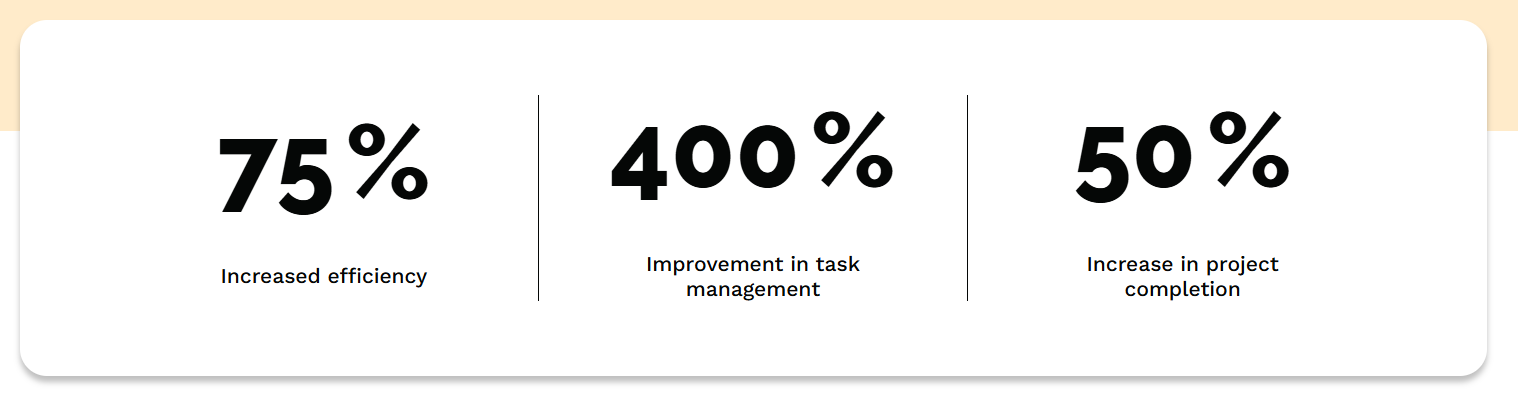
But more importantly, they gained clarity, control, and confidence in their creative process.
Let’s break down what changed, and what you can learn from it.
The reality of email-driven artwork workflows
Jones Dairy Farm, a 7th-generation family-owned premium meat manufacturer based in Fort Atkinson, Wisconsin, has been shipping products globally since 1889. With over 130 years of craftsmanship behind them, their brand equity is built on consistency and quality.
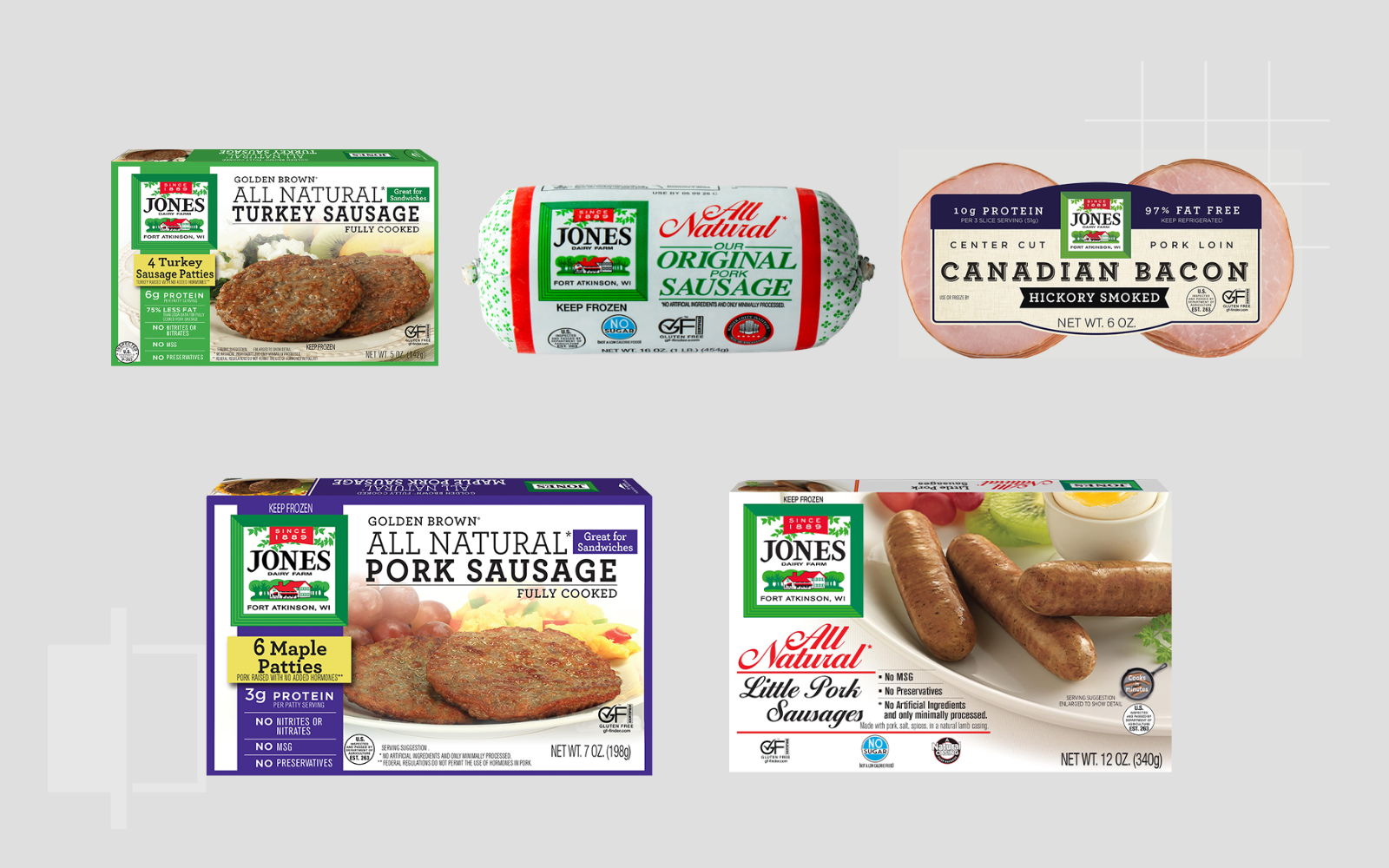
But even brands with strong operational discipline can struggle with creative workflows.
Before implementing Artwork Flow, the marketing team relied heavily on email to manage packaging design and asset development. If you’ve worked this way, the pattern will sound familiar:
- Feedback comes through separate email threads
- Multiple stakeholders respond at different times
- Edits get lost between attachments
- No one is entirely sure which file is the latest
For Lisa Caras, Marketing Manager at Jones Dairy Farm, this approach created unnecessary friction.
Updating and creating brand assets became a time-consuming process filled with iterations, rework, and confusion. Version control was manual, feedback was fragmented, and emails piled up. The operational cost of this process was high.
And in a small, efficiency-focused company, every minute matters.
The hidden cost of email
At first glance, email feels simple. It’s familiar. Universal. It’s “good enough.”
But when you look closer, you see the real cost:
- Excessive back-and-forth communication
- Duplicate files saved across inboxes
- Misaligned feedback
- Delays caused by unclear approvals
- Rework due to missed comments
You may not notice the inefficiency day-to-day. But over months and years, it compounds.
Projects take longer. Teams spend more time clarifying than creating. And marketing energy gets diverted away from strategy and innovation.
That was the tipping point.
Jones Dairy Farm needed a way to streamline collaboration without increasing headcount or complexity.
Why they chose Artwork Flow
The team recognized that the issue wasn’t creativity. It was coordination.
They needed a single place where:
- Designs could be reviewed and compared
- Feedback could be consolidated
- Versions could be tracked automatically
- Stakeholders could collaborate in real time
Artwork Flow provided exactly that.
Instead of sending files back and forth, the team moved the entire review and iteration process into one centralized platform. Designers, marketing leads, agency partners, and consultants could all access the same file, and comment directly on it.
As Lisa puts it:
"I specifically love the ability to compare designs to previous versions. This really reduces our pain point of rework. As a smaller company, we’re focused on finding efficiency. The reduction in emails, artwork versions, and having it all in one place has been extremely beneficial to our company."
— Lisa Caras, Marketing Manager, Jones Dairy Farm
The shift wasn’t just about convenience. It fundamentally changed how work moved.
What actually improved
1. Version comparison eliminated rework
One of the biggest friction points in packaging development is subtle changes across versions, such as ingredient updates, regulatory text edits, and layout adjustments.
Without side-by-side comparison, errors slip through.
Artwork Flow’s version comparison feature allowed the team to instantly see what changed between iterations. This reduced guesswork and eliminated repeated revisions.
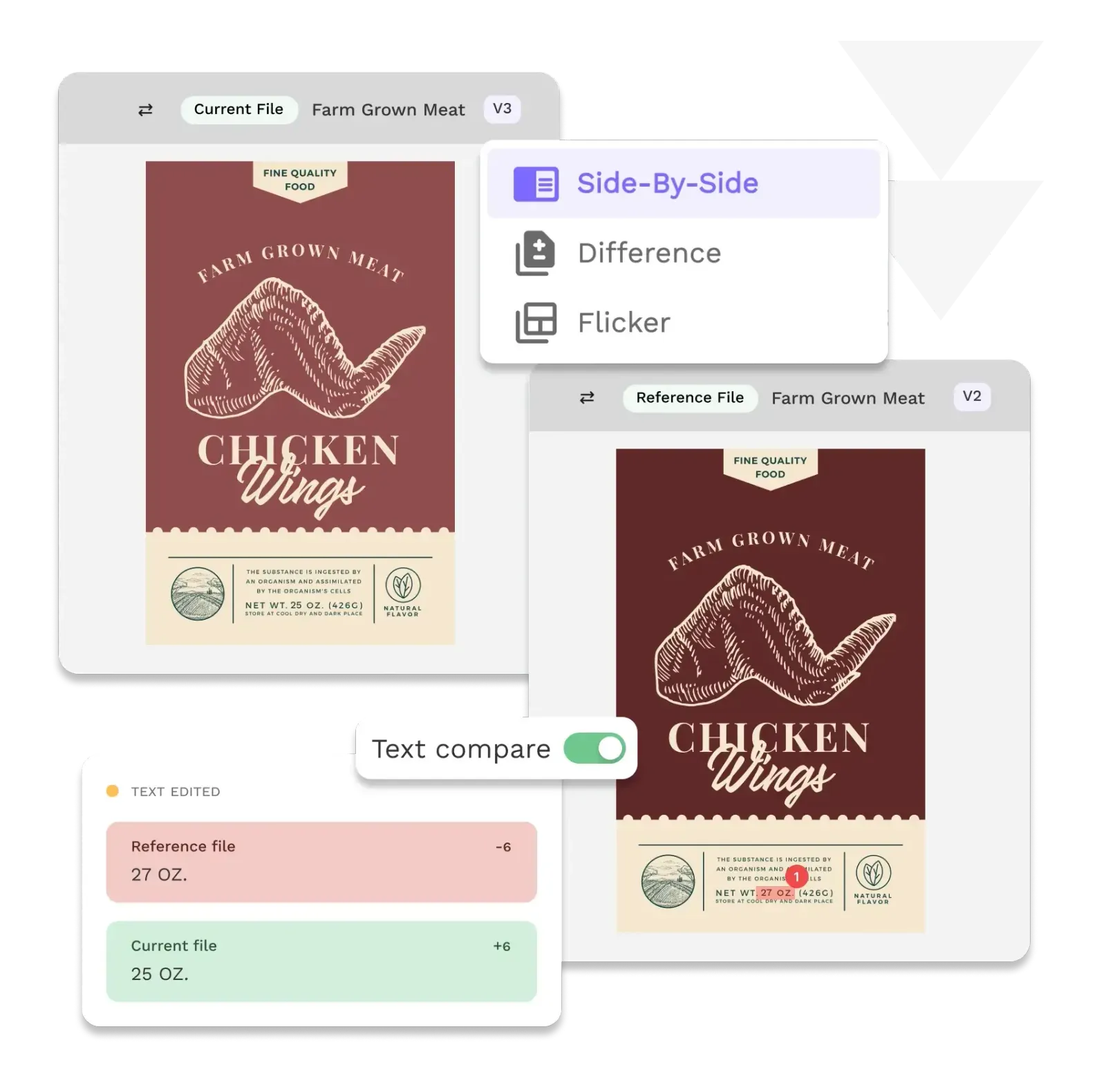
Instead of asking, “Did we fix that?”, you could see it immediately.
That clarity alone cut down significant back-and-forth.
2. Centralized comments replaced email threads
In the old workflow, feedback was scattered across inboxes. One stakeholder might reply-all. Another might send a private note. A third might respond days later.
Now, comments live directly on the design file.
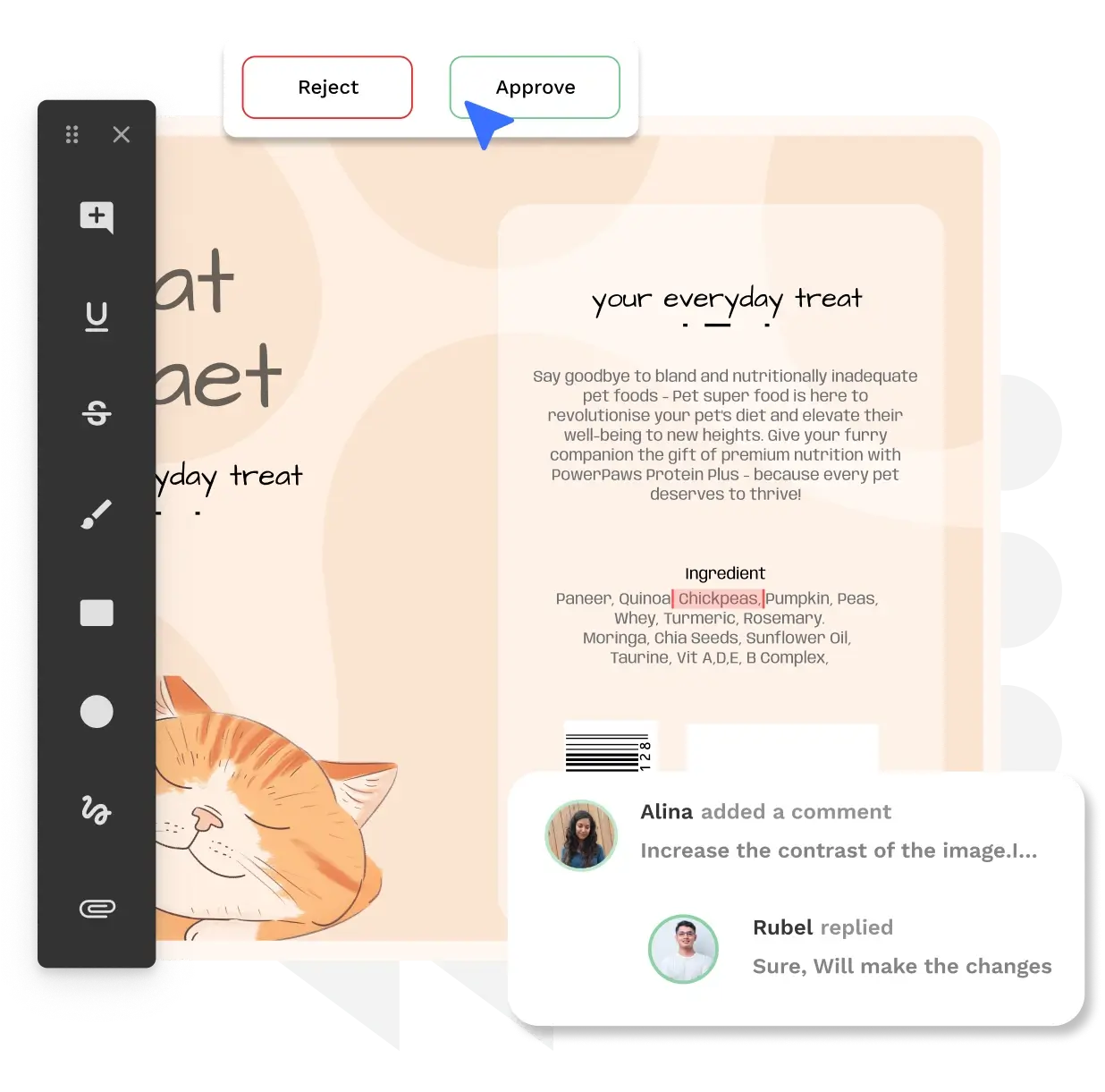
Everyone sees the same context and responds in the same place, so nothing gets lost.
This didn’t just improve communication, but reduced cognitive load as well. Team members no longer had to reconstruct conversations from fragmented email chains.
3. Task management became structured
A 400% improvement in task management doesn’t happen by accident.
When artwork moves through email, tasks are implied, not tracked. Someone says “Please update”, but there’s no structured workflow showing status, responsibility, or deadlines.
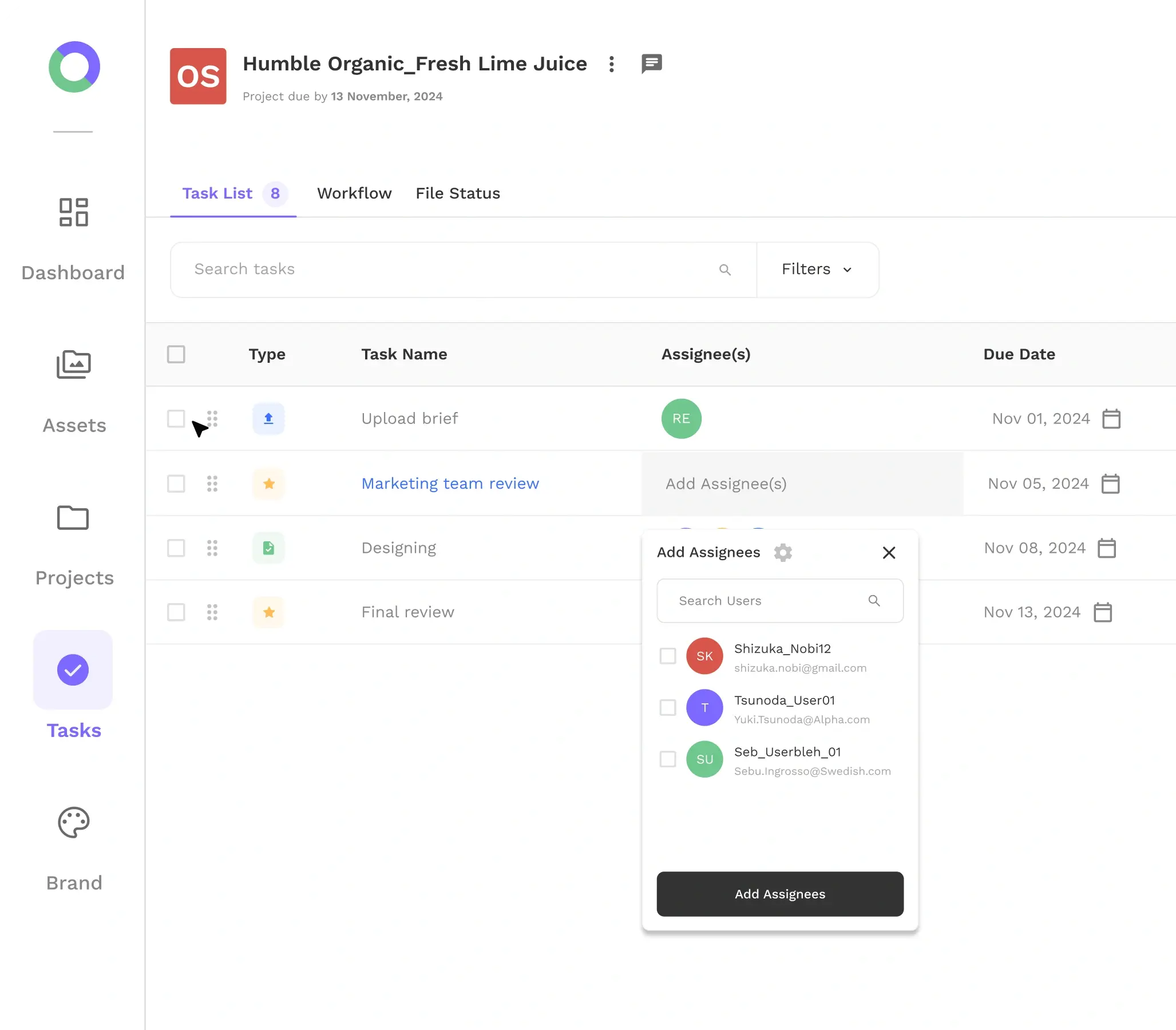
By consolidating work into Artwork Flow, tasks became visible and organized.
You could see:
- What’s in review
- What’s approved
- What needs changes
- Who is responsible
This structure accelerated momentum across projects.
4. The AI-driven asset library saved time
Finding the right brand asset shouldn’t require digging through shared drives or Slack threads.
The AI-powered asset library made files searchable and accessible. Logos, packaging templates, and previous iterations were all stored in one place. This reduced duplication and ensured consistency.

When you centralize your packaging assets, you also protect your brand standards.
The measurable impact
Efficiency gains are often abstract. But in this case, the results were concrete.
- Projects began moving 50% faster.
- Packaging developments were completed in a quarter of the previous time.
- Overall operational efficiency increased by 75%.
For a team that values precision and heritage, that kind of acceleration is transformative.
It didn’t mean rushing, but removing friction. And when friction disappears, creativity expands.
What this means for your CPG team
If you’re managing packaging, regulatory reviews, or brand assets, ask yourself:
- How many emails does one artwork project generate?
- How much time is spent clarifying feedback?
- How often do version mix-ups cause delays?
- How many revisions could have been avoided?
Email feels productive because it’s active. But activity isn’t the same as progress. Centralizing artwork workflows changes the dynamic. You move from reactive coordination to structured collaboration.
Instead of chasing approvals, you guide projects through clear stages. Files are no longer stored in inboxes; you create a shared source of truth.
Beyond efficiency: Creative freedom
There’s another benefit that often goes unspoken.
When teams spend less time managing chaos, they have more time for strategic work.
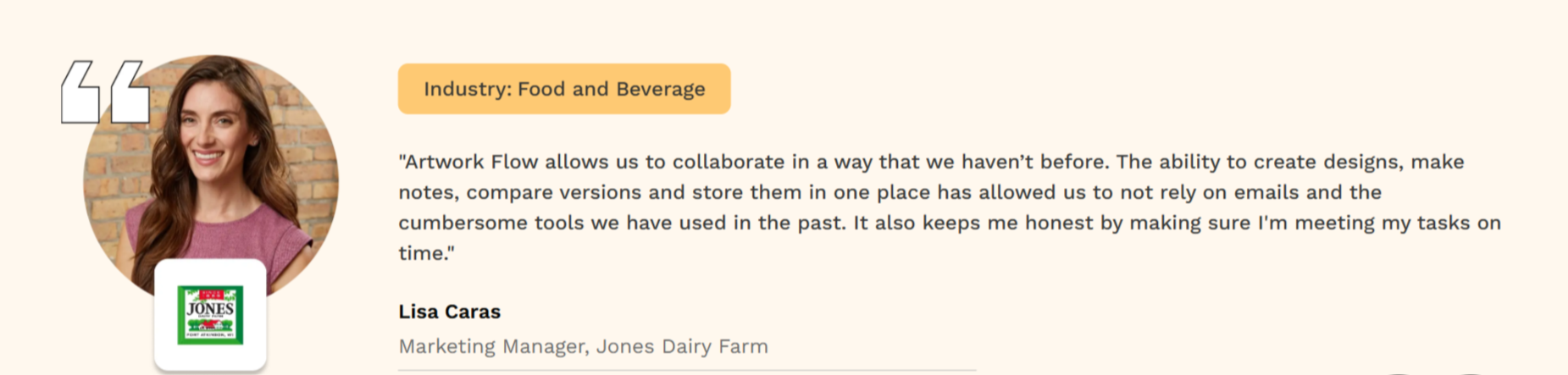
Lisa’s team could focus on campaign execution and innovation rather than administrative cleanup. And that’s the real advantage.
Artwork management shouldn’t drain creative energy. It should support it.
Final thought
If your CPG team is still managing artwork through email, consider what that system is costing you. Not just in time, but in clarity, alignment, and momentum.
Replacing email with a dedicated artwork workflow platform isn’t just about convenience. You gain control, and the results compound quickly.
Seventy-five percent efficiency improvement doesn’t come from working harder. It comes from working smarter. See how Artwork Flow improves packaging efficiency for CPG teams.


_2.jpg)


