_2.jpg)

Imagine having less than 90 days to pull off a complete packaging overhaul across hundreds of thousands of store shelves, warehouse pallets, and e-commerce platforms nationwide.
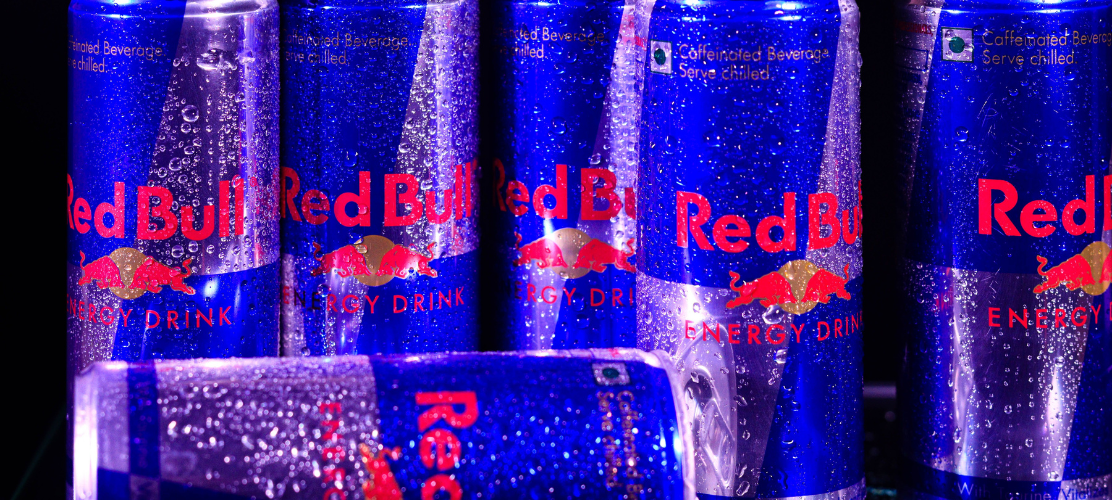
Sounds like a packaging manager’s worst nightmare, right? Well, for beverage giants like Red Bull, PepsiCo’s Sting, Monster, and Reliance’s Campa Energy, that nightmare just became reality.
The Food Safety and Standards Authority of India (FSSAI) recently issued a firm order instructing beverage brands to drop the term "Energy Drink" from their product labels and marketing copy. Alongside the descriptor itself, brands must immediately cease using non-permissible functional claims such as "Vitalizes Body and Mind" or "Boosts Energy Levels."
Why the sudden crackdown? And more importantly, how can packaging, regulatory, and brand teams navigate this high-stakes 90-day window without throwing their supply chains into total chaos?
Let’s break it down.
The root cause: Why FSSAI is drawing the line
To understand the sudden mandate, we must look at how food standards are categorized in India.
Simply put, there is no notified product standard for "Energy Drinks" under current Food Safety and Standards Regulations.
When a brand labels its product as an "Energy Drink" or claims it gives you a physical boost, FSSAI views this as a functional health claim governed by strict Advertising and Claims Regulations. Without explicit approval backed by clinical evidence for those exact health assertions, using "energy" as a primary product identity is considered inherently misleading to consumers.
Instead, these products fall under standardized classifications like "Caffeinated Beverages." Moving forward, calling a caffeinated soda or carbonated beverage an "Energy Drink" on the pack is an immediate compliance violation.
The operational bottlenecks beverage brands face right now
Ninety days might feel like a decent window for a single design update. But across an enterprise beverage portfolio? It is an absolute pressure cooker.
Here is what regulatory, brand, and packaging teams are up against:
1. The multi-SKU and distribution dilemma
We aren't just talking about a single master file. A single beverage variant often exists across multiple formats: 250ml slim cans, 500ml PET bottles, multi-packs, promotional shrink wraps, and corrugated outer boxes. Millions of finished goods and pre-printed packaging materials are already sitting in regional distribution hubs.
2. Cross-channel consistency (it’s not just on-pack)
Dropping "Energy Drink" means sweeping your entire ecosystem. If your label says Caffeinated Beverage but your product title on Blinkit, Amazon, or Swiggy Instamart still reads "Energy Drink," you remain exposed to regulatory action. Brand teams have to sync on-pack artwork changes with e-commerce listings, point-of-sale displays, and digital ad creative simultaneously.
3. Multi-stakeholder hand-offs
A typical packaging edit travels through regulatory affairs, legal counsel, creative designers, prepress agencies, brand managers, and print vendors. When six different teams are rushing through hundreds of files, the risk of miscommunication skyrockets.
4. The risk of "panic errors"
When teams rush to delete a single phrase like "Energy Drink," manual oversights inevitably happen. A designer might accidentally shift a mandatory caffeine warning logo, truncate the ingredient deck, or mess up font sizes required by legal standards. Fixing one compliance issue only to introduce another is a costly mistake.
5. Supply chain stalls
If print-ready artwork approval hits a bottleneck, production lines grind to a halt. Bottling plants cannot fill unlabeled cans, leading to stockouts, lost market share, and heavy factory downtime costs.
The action plan: 4 steps to ensure compliance within 90 days
If you are managing packaging or regulatory operations for a beverage brand, you need to act immediately. Here is a clear 4-step framework to handle this mandate efficiently:
Step 1: Audit current packaging & claims
Run a comprehensive sweep across your entire SKU library. Identify every file containing the term "Energy Drink" or functional descriptors like "recharges your stamina" or "vitalizes mind." Don't forget your tertiary packaging, shipper cartons, and digital assets!
Step 2: Update pack copy & category designations
Make sure your product descriptor aligns with the compliant terminology such as Caffeinated Beverage. While updating the front-of-pack copy, verify that mandatory warning statements (e.g., "Not recommended for children, pregnant or lactating women") and caffeine threshold disclosures remain fully compliant in placement, contrast, and font size.
Step 3: Accelerate prepress and proofing workflows
Eliminate long email threads and feedback loops. Establish a fast-tracked approval channel specifically dedicated to regulatory edits, so artwork files don't sit in inbox purgatory.
Step 4: Coordinate with packaging suppliers early
Reach out to your print vendors and can manufacturers immediately. Share updated die-lines and prepress files early to lock in production slots and coordinate a phased, strategic depletion of existing, non-compliant packaging inventory.
How automated artwork management simplifies emergency overhauls
How do you audit and update hundreds of packaging files in a matter of weeks without working round-the-clock or risking human error?
This is precisely where modern, automated artwork management platforms like Artwork Flow change the game.
- Customized rulebooks: Instead of manually reading tiny text on hundreds of PDF proof sheets, smart compliance engine like Comply scans artwork files in seconds. All you need to do is add text and image restrictions to a customizable document which is run against the label using AI. It automatically flags prohibited phrases like "Energy Drink" or unapproved health claims before the file ever reaches a print vendor.

- Pixel-perfect visual comparison: When designers make quick text edits, how do you verify they didn't accidentally shift a barcode or alter mandatory net weight copy? Side-by-side visual comparison tools overlay previous and current artwork layers, highlighting exact changes in color so teams can approve revisions in seconds with 100% confidence.
- Integrated compliance workflows: With flexible workflows, set up strict, automated approval paths. It ensures that a file cannot move to the print vendor until regulatory, legal, and brand heads have digitally signed off on the revised artwork. And the best part is compliance checks are built in into these workflows so that they don't happen at the last minute and the artwork moves to the next stage upon formal approval.
Compliance speed is your new competitive advantage
FSSAI’s 90-day notice to beverage brands reflects a global shift toward tighter packaging scrutiny, clearer functional claim enforcement, and stricter consumer protection.
Emergency packaging changes are stressful, but they don't have to paralyze your business. Brands that rely on fragmented email chains and manual checks will struggle with delays, compliance slip-ups, and inventory waste. On the flip side, teams that leverage digital artwork management platforms can turn a chaotic 90-day mandate into a smooth, error-free transition.
Is your packaging workflow ready to handle sudden regulatory changes? Learn how Artwork Flow can help you out here.